IRAQ, The official toll of the dead from today’s stampede t=near the al-Kadhmiya mosque has risen from 647 to 695 said a health ministry official, doctor Jaseb Latif Ali, according to whom, the government expects the victims to reach 1000. Security forces told sources the number of dead is actually 816 and 323 wounded, while the actual cause of the tragedy has not yet been identified. Early explanations suggest someone in the crowd cried “suicide bomber” while a million faithful were heading to the mosque to commemorate the martyrdom of the Seventh imam, Musa al-Kadhim.
A second explanation says the crowd was terrorized by mortar shells shot toward the mosque. Whatever the cause, the crowd started to push, the railings collapsed and hundreds fell into the Tigris river, while others were stampeded as the pilgrims fled. Early testimony, say the victims are largely women and children. The mystery concerns an observation by the health Ministry in Baghdad, which said that among the victims at least 25 were found to have died from poison, the very same cause of death of the imam Musa al Kadhim in 799 AD (183 AH). The government, had alerted the pilgrims about the possibility of poisoned food. [AB]
MISNA.ORG


Ultimi Articoli

Maker Faire Rome 2026, Gualtieri presenta Julia 3.0: l’AI ufficiale di Roma

Roma, via libera a 26 progetti per il commercio di prossimità: richiesti 2,6 milioni di euro

Meteo del weekend e ora solare: temperature in calo, il 25 ottobre lancette indietro

M6 Milano, il 24 ottobre si apre il confronto con i cittadini sulla futura metropolitana
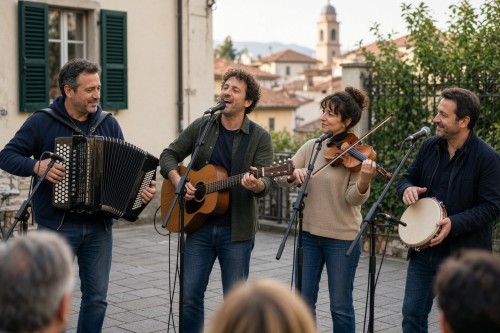
Lombardia, 900.000 euro per bande, cori e gruppi folk: domande dal 20 novembre

Lombardia, 20 milioni per l’accesso al credito di imprese e lavoratori autonomi
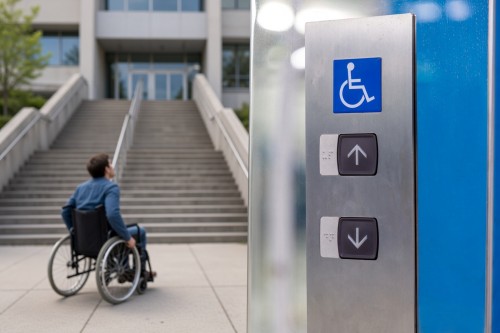
Lombardia, 1,1 milioni per eliminare le barriere architettoniche: previsti 263 interventi

Carlo Buccirosso in scena con “Qualcosa è andato storto!”

Ilze Brands Kehris nominata rappresentante speciale dell’UE per i diritti umani