One human brain can have two different personalities dwelling in it, according to a new imaging study - and each personality seems to use its own network of nerves to help recall or suppress memories.
Alternative personalities are typically developed by children who suffer severe trauma or abuse. The condition, called multiple personality disorder, or dissociative identity disorder, appears to help people cope by cutting off difficult memories, making them seem as if they happened to someone else.
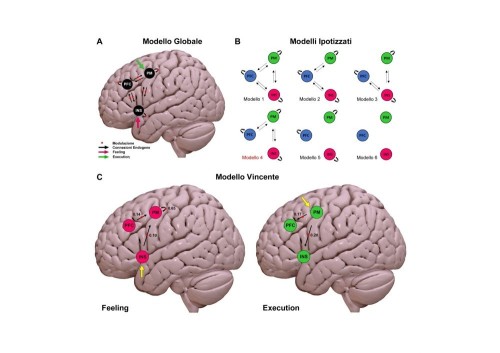
A team led by Simone Reinders of Groningen University Hospital in the Netherlands used positron emission tomography to scan the brains of 11 female multiple-personality patients while they listened to autobiographical stories in each of their two personality states1.
In one persona, patients recognized the traumatic history as their own, and it triggered emotional centres in their brain. In the other personality, they did not consciously recognize the tale as autobiographical, and it fired up a wider brain network including regions involved in self-awareness or consciousness. These regions would not be expected to be active in people with a single personality hearing stories that are not about themselves.
"The brain has to actively suppress the traumatic information," says Reinders. She thinks that these additional brain regions stifle the autobiographical memories and erase them from that personality's perceived past.
Showing that patients' brains actively block out their trauma "is a new twist", says psychiatrist James Chu of Harvard Medical School in Boston, Massachusetts. Other studies have also shown that different personalities can activate different brain regions, he says.
The real thing?
Patients with dissociative identity disorder can have personalities that are very different from one another both emotionally and physically. In one example recounted by Reinders, one of a woman's personalities could play volleyball whereas the other one fumbled.
The phenomenon has become part of the everyday language used to describe shock, as when people say "I was beside myself" or "I was falling apart". But some people are sceptical that dissociative identity disorder is a real condition, suggesting instead that patients might be role-playing or faking.
Reinders hopes her results will help to resolve some of the controversy. Her study and others suggest that different personality states cause brain changes greater than those seen when people simply flip moods. But, Chu predicts, "it will mainly convince the people who are already convinced."
References
1. Reinders, A.A.T.S. et al. One brain, two selves.NeuroImage, 20, 2119 - 2125, doi:10.1016/j.neuroimage.2003.08.021 (2003).
Articoli Correlati
Ultimi Articoli
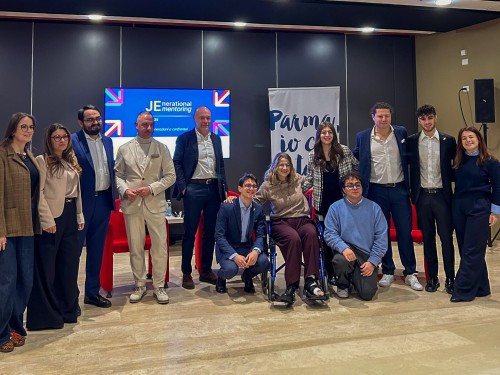
JEnerational Mentoring presentato a Mi prendo il Mondo – Dialogo tra generazioni a Parma
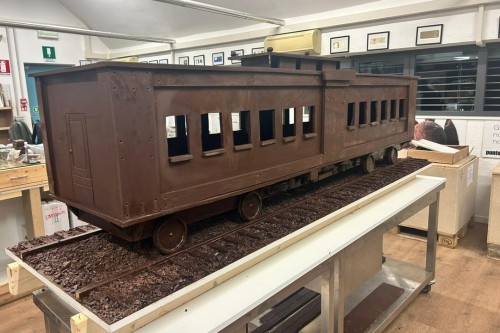
Treno di cioccolato record a Palazzo Lombardia – Aperto il 39° piano

Strage Crans-Montana – Dimessi due giovani da Niguarda dopo l'incendio
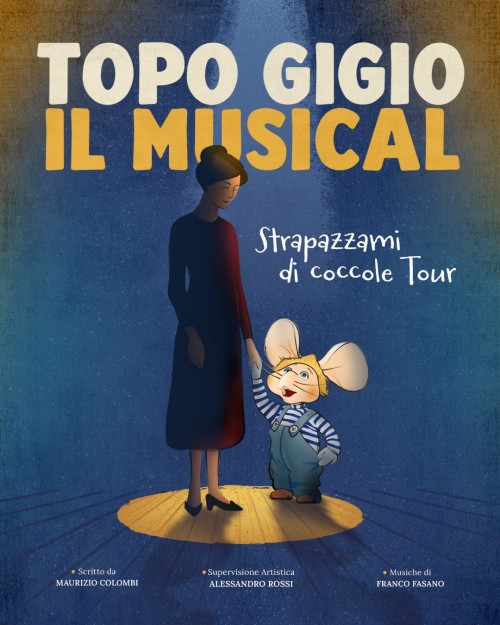
Strapazzami di coccole Topo Gigio il Musical: una fiaba che parla al cuore
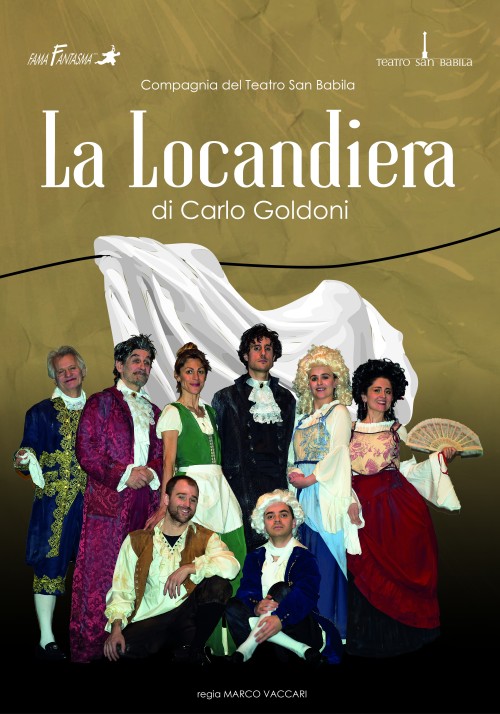
Goldoni al Teatro San Babila di Milano con La Locandiera
Ceresio in Giallo chiude con 637 opere: giallo, thriller e noir dall'Italia all'estero
Milano celebra Leonardo — al Castello Sforzesco tre iniziative speciali per le Olimpiadi 2026
Trasporto ferroviario lombardo: 780.000 corse e 205 milioni di passeggeri nel 2025

Piazza Missori accoglie la Tenda Gialla – Tre giorni di volontariato under zero con i Ministri di Scientology