A new electrode material for rechargeable lithium batteries could mean smaller, lighter, longer-lasting laptops and cell phones.
Yet-Ming Chiang and colleagues at the Massachusetts Institute of Technology in Cambridge, Massachusetts, have made a substance called lithium phospho-olivine conduct electricity much better than the materials currently used as terminals in commercial batteries1.
"This may allow the development of lithium batteries with the highest power density yet," they say.
Until now sending current through lithium phospho-olivine has been like trying to send it through a lump of rock. "One of the main drawbacks with using these materials," said battery researchers Jean-Marie Tarascon and Michel Armand at the end of last year, "is their poor electrical conductivity.
Adding just one or two percent magnesium, aluminium, titanium or tungsten to lithium iron phosphate makes its conductivity rocket by about a million-fold, Chiang's team now reports.
So far, preliminary tests on batteries with electrodes made from this lithium phospho-olivine suggest that their storage capacity, and the amount of power that they can deliver, should be 10-20 percent greater per gram, than current lithium batteries.
In such a competitive industry, even a small improvement can make a big difference. Chiang and colleagues point out that such margins also improve the prospects of using lithium batteries in electric vehicles, where power and storage limitations are currently obstacles.
Philip Ball
Articoli Correlati



Ultimi Articoli

Bambina di due anni deceduta al Buzzi di Milano: istituita una commissione di verifica

Monferr'Autore, piazza Mazzini canta Guccini: in 300. Al contest vincono i Bailenga

LA RIVOLUZIONE È SERVITA!

Carpooling a Milano: sosta gratuita in cinque parcheggi ATM con l’app BePooler

Bergamo, allarme bomba alla Brembo: evacuate tre sedi, artificieri al lavoro

Milano capofila contro tratta e sfruttamento: 3,7 milioni per “Derive e Approdi”

Coca-Cola Pizza Village Milano 2026: programma, pizzerie e concerti a CityLife
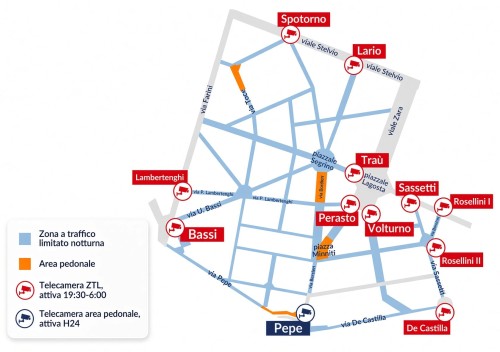
Ztl Isola, dal 7 settembre partono le telecamere: come accedere e chi è esente

Borse di studio universitarie, Regione Lombardia stanzia oltre 114 milioni per il 2026/2027