Rome: The Italian Government acknowledges and accepts the outcome of the test aimed at verifying EU banks’ capital adequacy with respect to possible adverse economic developments (stress test), carried out within the EU by competent national authorities and the Committee of European Banking Supervisors (CEBS), in close connection with the European Central Bank and the European Commission.
The Italian Government welcomes the enhanced transparency that has been achieved with the publication of these results.
The results of the stress test carried out with reference to five big Italian banking groups show their capital adequacy and resilience, even in the most adverse and less likely scenarios.
The Member States and the European Commission, in order to preserve market trust, have agreed on the need to set up or maintain national schemes which would allow public financial support for the concerned financial intermediaries, where necessary.
In line and pursuant to this EU policy, although there is no element which indicates that Italian banking groups might need it, the Italian Government will anyway re-open the timeframe that would allow the Italian Government, if ever needed, to subscribe the financial instruments issued pursuant to art. 12 of the law decree 29 November 2008, n. 185.

Ultimi Articoli

Boom di nascite all’ospedale Valduce di Como: 33 neonati in sei giorni

Milano Teatro City, dal 15 al 18 ottobre la prima edizione della maratona teatrale in città
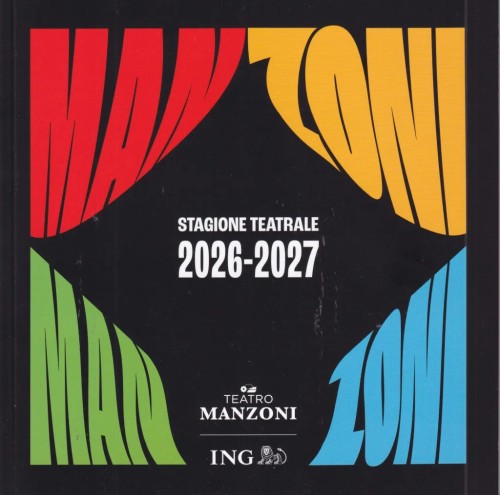
TEATRO MANZONI, LA NUOVA STAGIONE ACCENDE MILANO: OLTRE 220 SIPARI TRA GRANDI NOMI, COMICITÀ, MUSICA E FAMIGLIE

Forum del giornalismo musicale, undicesima edizione a Faenza con Lamante e Federico Guglielmi

Milano Fashion Week donna, al via dal 22 settembre: 203 appuntamenti tra sfilate, mostre ed eventi

Monferr’Autore Festival, tre appuntamenti ad Alessandria e Castelletto Monferrato

Bambina di due anni deceduta al Buzzi di Milano: istituita una commissione di verifica

Monferr'Autore, piazza Mazzini canta Guccini: in 300. Al contest vincono i Bailenga

LA RIVOLUZIONE È SERVITA!