MacBook Air is ultrathin, ultraportable and ultra unlike anything else. But you don’t lose inches and pounds overnight. It’s the result of rethinking conventions. Of multiple wireless innovations. And of breakthrough design. With MacBook Air, mobile computing suddenly has a new standard.
What makes the
Air so thin?
MacBook Air is nearly as thin as your index finger. Practically every detail that could be streamlined has been. Yet it still has a 13.3-inch widescreen LED display, full-size keyboard and large multi-touch trackpad. It’s incomparably portable without the usual ultraportable screen and keyboard compromises.
So many innovations.
So little space.
The incredible thinness of MacBook Air is the result of numerous size- and weight-shaving innovations. From a slimmer hard drive to strategically hidden I/O ports to a lower-profile battery, everything has been considered and reconsidered with thinness in mind.
Built for the
wireless world.
MacBook Air is designed and engineered to take full advantage of the wireless world. A world in which 802.11n Wi-Fi is now so fast and so available, people are truly living untethered ”€ buying music and TV shows online, downloading software, and sharing and storing files on the web.
Articoli Correlati

Ultimi Articoli

Niguarda, protesi nel torace per liberare il respiro: a 12 anni torna a salire le scale

Maker Faire Rome 2026, Gualtieri presenta Julia 3.0: l’AI ufficiale di Roma

Roma, via libera a 26 progetti per il commercio di prossimità: richiesti 2,6 milioni di euro

Meteo del weekend e ora solare: temperature in calo, il 25 ottobre lancette indietro
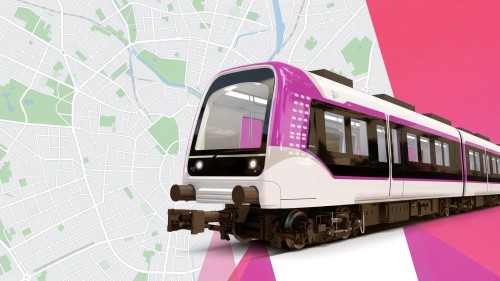
M6 Milano, il 24 ottobre si apre il confronto con i cittadini sulla futura metropolitana

Lombardia, 900.000 euro per bande, cori e gruppi folk: domande dal 20 novembre

Lombardia, 20 milioni per l’accesso al credito di imprese e lavoratori autonomi

Lombardia, 1,1 milioni per eliminare le barriere architettoniche: previsti 263 interventi

Carlo Buccirosso in scena con “Qualcosa è andato storto!”