The Batwa first lived in the central African forests, but unlike the majority of the Burundi population who own farms, they are now a people without land. Many of the women make out a living for their families as traditional potters, others have to rent land or still live under a feudal system which requires them to return some of their profits to their landlord.
"Even though we were one of the first communities in Burundi, the Batwa are still not recognized as indigenous,” says Evariste.
"They are in an inferior position compared to the two other indigenous communities in Burundi, the Hutu and the Tutsi,” he says, "and cannot participate in some government institutions.”
Batwa children often quit school after a few years or even months because there is not enough money to pay for education and basic school materials. "In fact, only 4 percent of children who have attended primary school move on to secondary school”, says Evariste.
The major health problems in the Batwa community are caused by malnutrition. Lack of food is the principal cause of disease and death in this community. Moreover, the Batwa do not have access to basic health care. "The Batwa do not have the money to pay for health care because it is too expensive”, explains Evariste.
When Evariste returns to Burundi he wants to implement several national systems for the promotion and protection of human rights for the Batwa people and to present them to the Burundi government. He plans to focus on the distribution of land for indigenous people, the promise of proper and free education for indigenous children and the guarantee of minimal life conditions as proper housing and healthcare.of proper and free education for indigenous children and the guarantee of minimal life conditions as proper housing and healthcare.


Ultimi Articoli

Maker Faire Rome 2026, Gualtieri presenta Julia 3.0: l’AI ufficiale di Roma
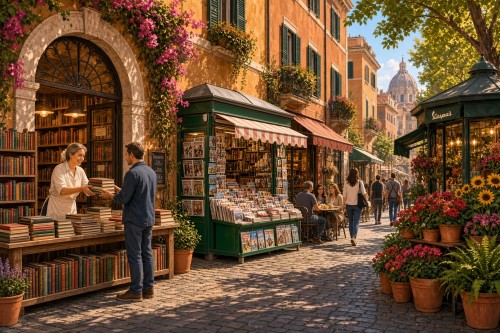
Roma, via libera a 26 progetti per il commercio di prossimità: richiesti 2,6 milioni di euro

Meteo del weekend e ora solare: temperature in calo, il 25 ottobre lancette indietro
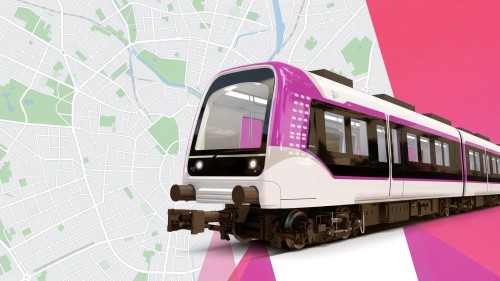
M6 Milano, il 24 ottobre si apre il confronto con i cittadini sulla futura metropolitana
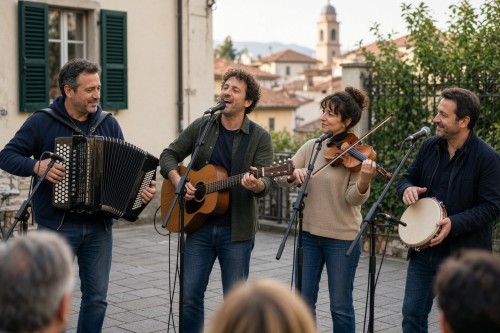
Lombardia, 900.000 euro per bande, cori e gruppi folk: domande dal 20 novembre

Lombardia, 20 milioni per l’accesso al credito di imprese e lavoratori autonomi
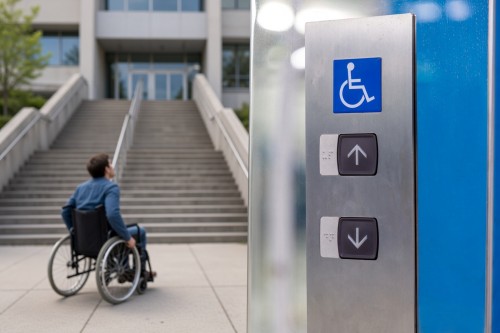
Lombardia, 1,1 milioni per eliminare le barriere architettoniche: previsti 263 interventi
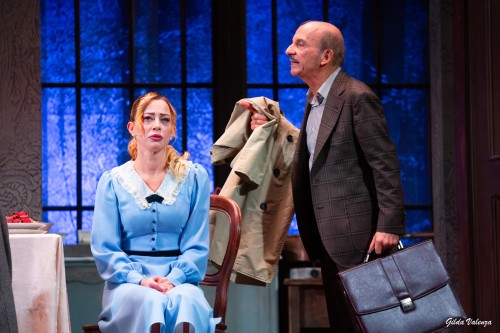
Carlo Buccirosso in scena con “Qualcosa è andato storto!”
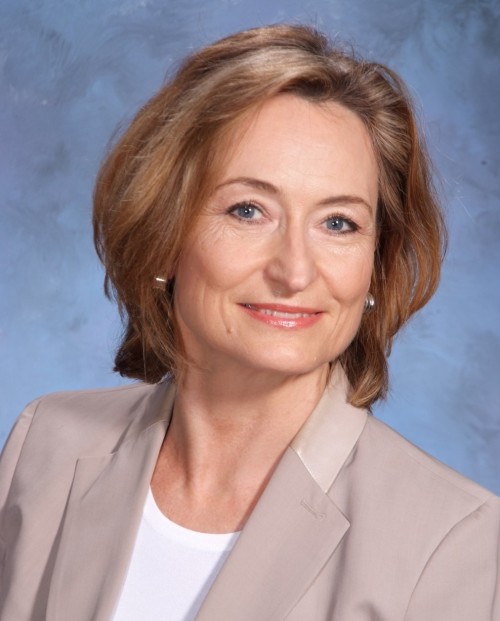
Ilze Brands Kehris nominata rappresentante speciale dell’UE per i diritti umani